
Water Heater Repair in Columbus, OH
Fast diagnosis, clear options, and hot water restored as quickly as possible
Few things ruin a morning like stepping into a cold shower, especially during a Columbus winter. If you have no hot water, strange noises, or leaks around the tank, JMR Plumbing can help with repair or replacement, often with same-day availability when schedules allow.
No Hot Water? Start With the Right Diagnosis
Fix the cause, not just the symptom
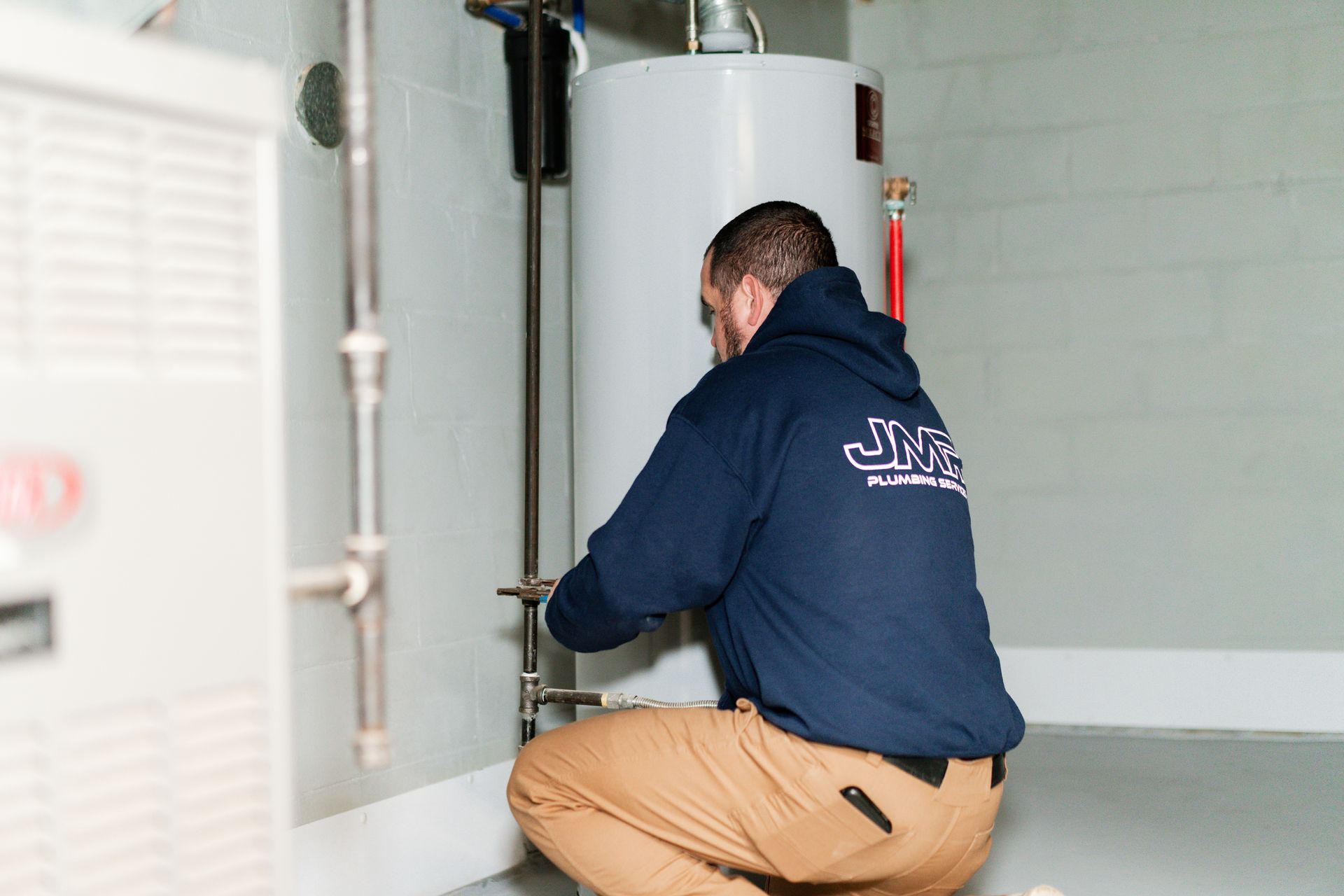
Water heaters usually give warning signs before they fail, like lukewarm water, rumbling or popping sounds, pilot light issues, or moisture collecting near the base. Our licensed plumbers inspect the unit, identify the failing component, and explain your options in plain language. If a repair is practical, we’ll focus on restoring safe, reliable performance. If the tank is leaking or the unit is near the end of its life, we’ll walk you through replacement choices without pressure.
Water Heater Service We Provide
Repair, replacement, and installation for Columbus homes
Whether you need a quick fix or a full upgrade, we handle your water heater service end-to-end, including safe setup and testing. You’ll get upfront pricing before work begins and guidance on what makes sense for your home.
- Water heater repair (electric and gas), including common part and control issues
- Hot water heater replacement with removal and haul-away of the old unit
- Water heater installation for new builds, remodels, and equipment upgrades
- Tankless water heater installation and service, including performance troubleshooting
- Proper sizing recommendations based on household demand and usage patterns
- Safety checks for venting, shutoff valves, pressure relief systems, and connections
Repair or Replace? We’ll Help You Decide
A practical approach that protects comfort and budget
If your water heater stopped working suddenly, we’ll first look for fixable issues such as heating elements, thermostats, pilot/ignition problems, or valve-related failures. Many “no hot water” calls can be resolved quickly once the root cause is identified, and we’ll explain what failed and why.
When replacement is the smarter move, we’ll help you choose the right type and size, including gas vs. electric and tank vs. tankless options. We also account for local demands, like colder inlet water and higher usage during Columbus winters, so your new system can keep up. If permits or code requirements apply, we’ll make sure the installation is completed safely and correctly.
Water Heater FAQs
Answers for Columbus homeowners comparing options
No hot water in my house, what do I do first?
Start by checking whether the issue is isolated (one fixture) or affects the whole house. If it’s the whole house, look for obvious signs like a tripped breaker (electric), a pilot light out (gas), or water pooling near the unit. Avoid resetting or relighting repeatedly if you smell gas or see active leaking. The safest next step is to call a plumber so the system can be diagnosed and restored without risking damage or unsafe operation.
How much does it cost to replace a water heater in Columbus?
Replacement cost depends on the type of unit (tank or tankless), fuel source (gas or electric), size, and whether updates are needed for venting, valves, or connections. Older homes may also require code-related adjustments that affect price. The best way to avoid surprises is an on-site assessment with a clear quote before work begins. We’ll explain the options and help you choose an approach that fits your home and comfort needs.
Should I repair my water heater or replace it?
If the tank is leaking, replacement is often the safer and more reliable path. If the issue is a component failure—like a thermostat, heating element, or ignition problem—repair may be a cost-effective option. Age matters too, because frequent repairs can add up and still leave you with an aging unit. We’ll walk you through the findings and help you compare short-term and long-term value.
Electric vs. gas water heater, which is better for my home?
Gas water heaters can heat water quickly and may recover faster for high-demand households, but they require proper venting and safety checks. Electric models are often simpler to install and maintain, and they can be a good fit depending on your home’s setup and utility costs. The “better” choice depends on what your home supports, how much hot water you use, and what efficiency goals you have. We’ll review your situation and recommend options that are practical and safe.
Is a tankless water heater worth it in Columbus?
Tankless units can provide continuous hot water and may improve energy efficiency, but they require correct sizing and proper installation to perform well. Upfront cost can be higher than a standard tank, and some homes need upgrades to gas supply, venting, or electrical service. For many households, tankless is a strong fit when hot water demand is high or space is limited. We’ll help you compare expected benefits to real-world installation requirements before you decide.
Should You Repair or Replace Your Water Heater?
A quick guide to the smartest next step
If you’re deciding between a repair and a replacement, the details matter, especially age, leaking, and performance changes. Use the table below as a starting point, then call JMR Plumbing for a clear diagnosis and upfront options.
| Situation | What it usually means | Typical recommendation |
|---|---|---|
| No hot water, but no leaks | Failed component (element, thermostat, igniter, pilot) | Repair is often the best first step |
| Water is lukewarm or runs out fast | Sediment buildup or a failing part | Repair or maintenance, depending on age |
| Rumbling/popping noises | Heavy sediment stressing the tank | Flush/maintenance, or replacement if older |
| Leaks at fittings/valves | Connection or valve issue | Repair the fitting/valve if the tank is sound |
| Water leaking from the tank body | Tank failure (not safely repairable) | Replace the water heater |
| Unit is 10+ years old with frequent issues | Near end of lifespan | Replacement is usually more cost-effective |
| Rusty water or corrosion signs | Internal deterioration | Inspection, often replacement if corrosion is confirmed |
| Pilot won’t stay lit (gas) | Thermocouple/ignition or venting issue | Repair and safety check |
| High energy bills + inconsistent hot water | Efficiency drop or sizing issue | Upgrade/sizing review, often replacement |