
Sewer & Waterline Excavation in Columbus, OH
Owner-led recommendations, clear answers, and a plan that fits your property
When an underground line is failing, you need the right fix—not unnecessary digging or guesswork. JMR Plumbing provides honest excavation assessments and repair plans for sewer and water lines across Columbus and nearby suburbs.
When Excavation Is the Right Repair
Safe access is sometimes the only way to fix it correctly
Excavation is often necessary when a line is collapsed, severely offset, heavily root-damaged, or too deteriorated to repair from the surface. We start by confirming what’s actually happening, then explain the safest repair or replacement path based on the pipe’s condition, depth, and route across your property. In Central Ohio, factors like older clay sewer lines, aging galvanized water lines, clay-heavy soil, and winter freeze-thaw stress can all influence the best approach. You’ll get straightforward recommendations and a clear scope before work begins.
Sewer Line Excavation Services
Fix the main line problems that cause recurring backups and odors
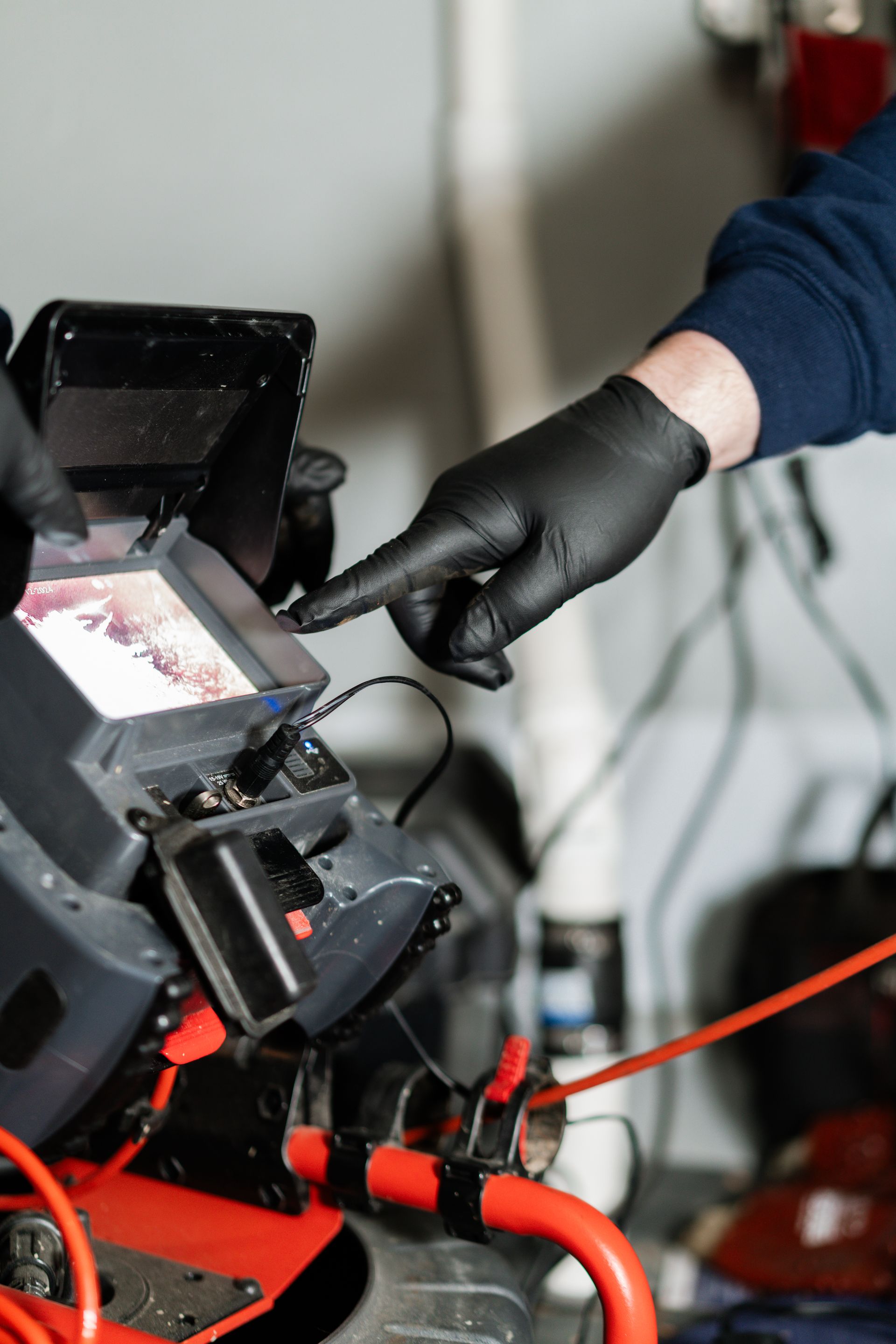
Sewer excavation is typically the right path when the main drain line is cracked, root-damaged beyond cleaning, sagging, or partially collapsed. We confirm the issue with inspection and then plan an access route that minimizes disruption where possible. If the line needs replacement, we install modern materials and set the grade correctly for reliable flow. We also plan for required permits and inspections when they apply.
- Sewer line excavation and replacement for broken, collapsed, or failing sections
- Targeted spot repairs when damage is limited and accessible
- Root-intrusion damage correction when the pipe structure is compromised
- Line regrading or section rebuilds for sags, offsets, and repeat backup points
Water Line Excavation Services
Restore pressure and protect your property from hidden leaks
Water line excavation is often needed when the underground water service line from the city connection to your home is leaking, restricted, or made of aging materials that fail repeatedly. Signs can include a sudden drop in pressure, muddy water, soggy areas in the yard, or unexplained spikes in your water bill. We’ll explain whether a targeted repair is realistic or if replacement is the smarter long-term option based on the line’s condition and layout.
Before any digging, we plan the route, coordinate utility marking (811), and map out the least disruptive access points possible. When the job is complete, we test for stable pressure and proper operation so you can move forward with confidence. If city coordination, permits, or inspections apply, we’ll walk you through what to expect and keep the process straightforward.

Sewer & Waterline Excavation FAQs
Answers for Columbus homeowners making a big decision
Who does sewer line excavation in Columbus, Ohio?
A plumbing team with experience in underground line repair and replacement is the right fit for sewer excavation. These projects require proper diagnosis, safe planning, and code-compliant installation—not just digging. We start with an honest assessment and explain the repair path clearly. The goal is reliable drainage without unnecessary disruption.
How do I know if I need sewer line excavation?
If you’re dealing with repeated backups, multiple drains gurgling, sewage odors, soggy areas in the yard, or a problem that keeps returning after clearing, excavation may be needed. These symptoms can point to a cracked, offset, sagging, or partially collapsed line. The best next step is an inspection to confirm what’s happening. Once we know the cause and location, we can outline the most practical excavation plan.
How do I know if my water line needs excavation?
Common signs include sudden low pressure throughout the home, soggy patches in the yard, muddy or rusty water, and unexplained bill increases. Because many water service line leaks are underground, the symptoms are often indirect at first. We’ll assess the likely failure points and explain whether repair access requires excavation. If replacement is recommended, we’ll explain what that scope includes from the city connection to your home.
How long does sewer or water line excavation take in Columbus?
Timelines depend on depth, access, pipe length, and whether the line crosses driveways, sidewalks, or tight side yards. Some projects can be completed quickly once access is established, while others require more planning, coordination, and restoration steps. Weather and inspections can also affect scheduling. We’ll set expectations upfront once we see the layout.
Can plumbers replace a main water line under my yard?
Yes—replacing the underground water service line from the city connection to the home is a common excavation project. The approach depends on where the line runs and what obstacles exist on the property. We plan the route, coordinate utility marking, and install the new line with reliable materials and proper connections. Afterward, we verify stable pressure and leak-free operation.
Excavation Planning Guide
Common triggers, likely causes, and the typical next step
Underground line problems can feel overwhelming because you can’t see the pipe. This table connects the most common homeowner “triggers” to what they often indicate and what usually happens next when excavation is needed.
| Issue / sign | What it can indicate | Most common path |
|---|---|---|
| Repeated backups or gurgling in multiple drains | Main sewer line damage, heavy root intrusion, or a sag/collapse | Inspect to confirm location and condition, then excavate to repair or replace the failed section |
| Sewage odors outside or soggy spots near the line route | Cracked sewer pipe or leaking joints underground | Targeted excavation to access the damaged section and replace/repair to code |
| Sinkholes/soft spots in yard | Washed-out soil from a leaking or collapsed sewer/water line | Excavation to stabilize the area and replace the compromised pipe |
| Sudden low water pressure throughout the home | Leak or restriction in the water service line | Assess likely failure zone, then excavate for repair or replacement from the city connection to the home |
| Muddy/rusty water or unexplained bill spike | Water line deterioration, corrosion, or an underground leak | Evaluate line condition and recommend repair vs. replacement, then excavate where access is required |
| Driveway/sidewalk or tight-access line route | Limited access and deeper routes that require careful planning | Plan excavation path, coordinate permits/inspections as needed, then restore the area after repair |
| Old clay/cast iron sewer or galvanized water line | Age-related cracking/corrosion and higher repeat-failure risk | Replacement to modern materials; excavation is often the reliable option depending on conditions |
| Pipe is collapsed or misaligned | Structural failure preventing reliable flow | Excavation to remove the failed section and rebuild the line correctly |